
“Contagion” Film Review
“Contagion” Film Review
Dr. Pınar KÖKSAL ÜRETMEN
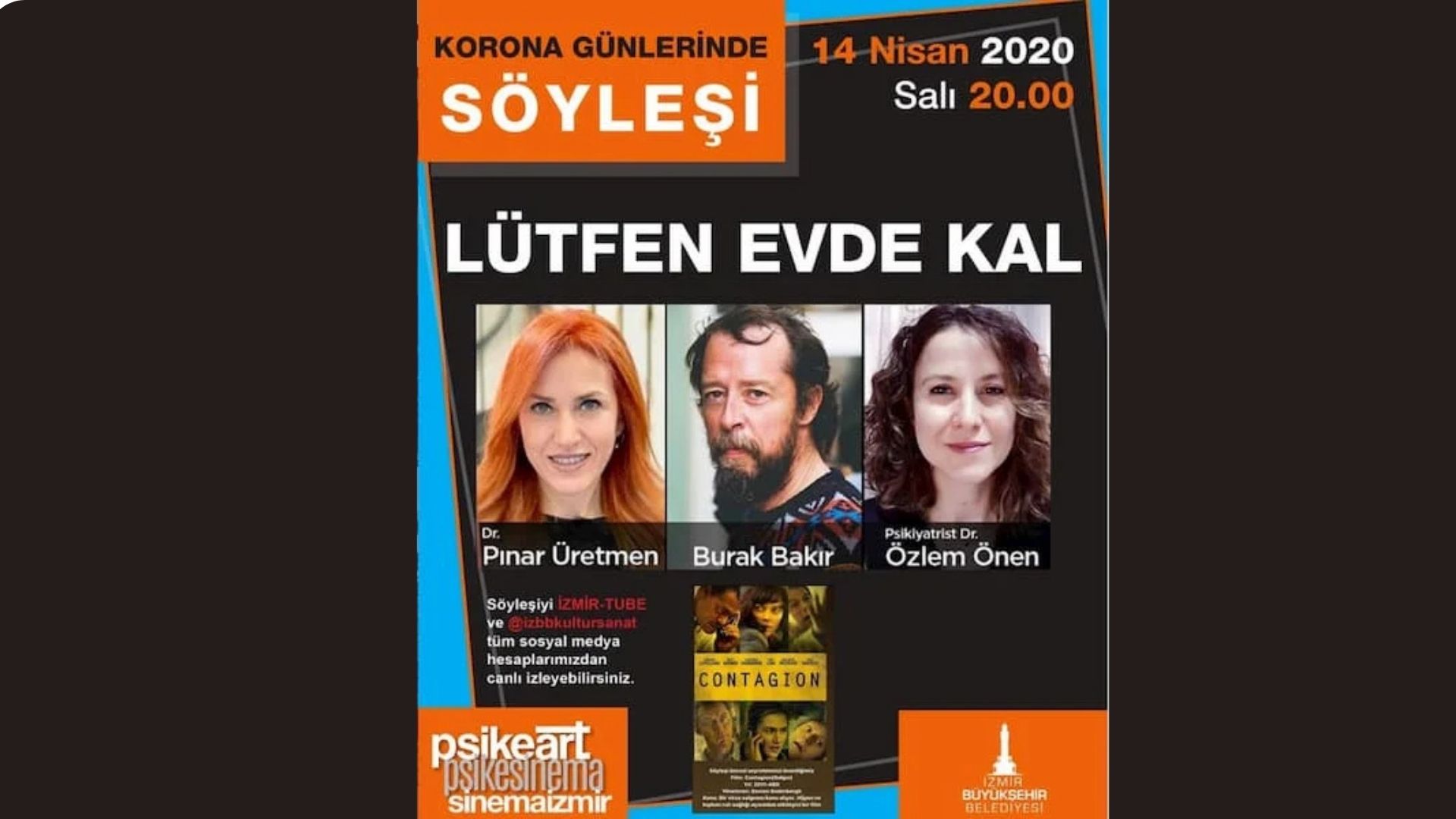
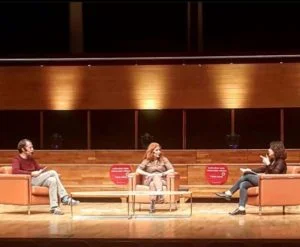
We are experiencing the COVID-19 pandemic, which emerged in Wuhan, China, in December 2019, spread throughout the world, particularly in Europe, and was declared a pandemic by the World Health Organisation on 10 March. During this period, due to the cancellation of all public events, we at Psikeart, Psikesinema and psikesanatizmir have been forced to suspend the events we were running in collaboration with the Izmir Metropolitan Municipality’s Department of Culture and Arts. However, in order not to remove art from our lives, we discussed Steven Soderbergh’s film Contagion at the İzmir Adnan Saygun Arts Centre on 14 April, without an audience and observing social distancing and hygiene rules, together with psychiatrist Dr Özlem Önen and Burak Bakır, lecturer in Cinema and Film Design at the Faculty of Fine Arts at Dokuz Eylül University. We sought to evaluate both the film Contagion and the reflections of the current situation in healthcare and psychiatry, while also considering potential solutions.
Contagion, a science fiction film directed by Steven Soderbergh in 2011, can be considered the film that made the most accurate predictions of our time and has been among the most watched films in recent months. We can attribute this realistic perspective to the involvement of epidemiologist Ian Lipkin as a consultant on the team and the emphasis placed on scientific data. The MEV-1 virus mentioned in the film is a virus that caused an outbreak in Malaysia in 1999. Details in the film, such as the outbreak starting in China, spreading from a bat to a pig and then to humans, being transmitted through respiratory and contact routes, and spreading very quickly, closely resemble the events we are experiencing today. When we examine many of the outbreaks that have occurred to date, this scenario is already very close to logic and statistical data. The film’s portrayal of the work of the World Health Organisation (WHO) and the Centre for Disease Control (CDC), the efforts to find a vaccine, the atmosphere of panic and anxiety, and the accompanying doom-mongers, anti-vaccine campaigners and profiteers, in a sense, provide an opportunity for confrontation. The film’s star-studded cast is also one of its interesting features. Matt Damon, Kate Winslet, Gwyneth Paltrow, Jude Law, and Marion Cotillard are among the first names that come to mind. The screenplay was written by Scott Burns.
Psychiatrist Dr Özlem Önen, who evaluated both the days we are living in and the pandemic process described in the film, touched upon the definition of a pandemic and the pandemics experienced throughout history. While discussing the physical and psychological effects of quarantine and social distancing on people, she particularly assessed anxiety, fear and stress. Our emotional responses to the pandemic vary depending on our personal characteristics, experiences, and the social and economic conditions of the community we live in. Being in quarantine causes psychological difficulties. Anxiety ensures that we take appropriate action when faced with danger. However, anxiety that makes life difficult remains constantly in our minds and consumes us. Repeatedly watching images and news about the epidemic in the media can increase the distress felt. In highly stressful situations, focusing on the negative aspects of our current situation or the future, such as only anticipating the worst-case scenario, can give rise to thoughts that make life difficult. The goal is not to avoid these reactions and not to worry, but to respect the anxiety while continuing life by taking the most effective measures possible without getting carried away by it. It is natural to have negative thoughts and fears, but not always expecting the worst will help reduce your anxiety in the long run. Global crises have occurred before, and the crisis we are currently experiencing will also pass.
During the quarantine period, Özlem Önen addressed the risk groups in terms of mental illness, the factors that increase psychological impact, and the discrimination and stigmatisation we engage in through the words we use at the level of discourse. She emphasised the importance of avoiding terms such as “case”, “suspect”, “elderly”, and “poor” to reduce stigmatisation. She stressed that this pandemic is an opportunity for the world to cooperate for the sake of future generations. She stated, with examples from the film, that the outbreak and quarantine process are related to the grieving process, that the sudden emergence of the infectious disease created a shock effect, and that what happened as a result of the isolation and quarantine process, following attempts to conceal it from the public, can be evaluated as a grieving process with stages of denial, bargaining and acceptance. He emphasised the need to be mindful of situations that could negatively impact the development of adolescents and children, particularly to reduce anxiety levels.
Burak Bakır, a lecturer in the Department of Cinema and Film Design at Dokuz Eylül University, also emphasised that while the film offers a perspective close to today’s realities, its rush to address many issues simultaneously makes it superficial in cinematic terms and insufficient in allowing the audience to identify with the characters. He stated that while revolving around data such as epidemics, quarantine, and vaccines, the film presented a more superficial view of the characters’ emotions, psychological structures, family relationships, and personalities. He pointed out that the film only touches upon events in the Americas, and that despite depicting a pandemic that originated in China and spread worldwide, only Hong Kong is mentioned, and even then only in relation to a kidnapping incident, which actually serves to stigmatise the region. He emphasised that by taking a very broad perspective, i.e. attempting to tell the story of all those affected by the pandemic rather than just one person or group, the film subsequently ignored certain segments of society. He pointed out that the focus was on middle-class white-collar Americans rather than the lives of ordinary people, noting that the unemployed, the homeless, and those without health insurance were not featured in the film, which only showed white American citizens. He stressed that a pandemic most severely impacts precisely these vulnerable groups with low living standards. He highlighted that while the film is successful in narrating a pandemic, it is cinematographically weak and insufficient in reflecting the dynamics of human relationships.

Subscribe to the Psikeart Email Bulletin!
Subscribe to our Bulletin
Thank you for subscribing to the newsletter.
An error has occurred. Please try again.