
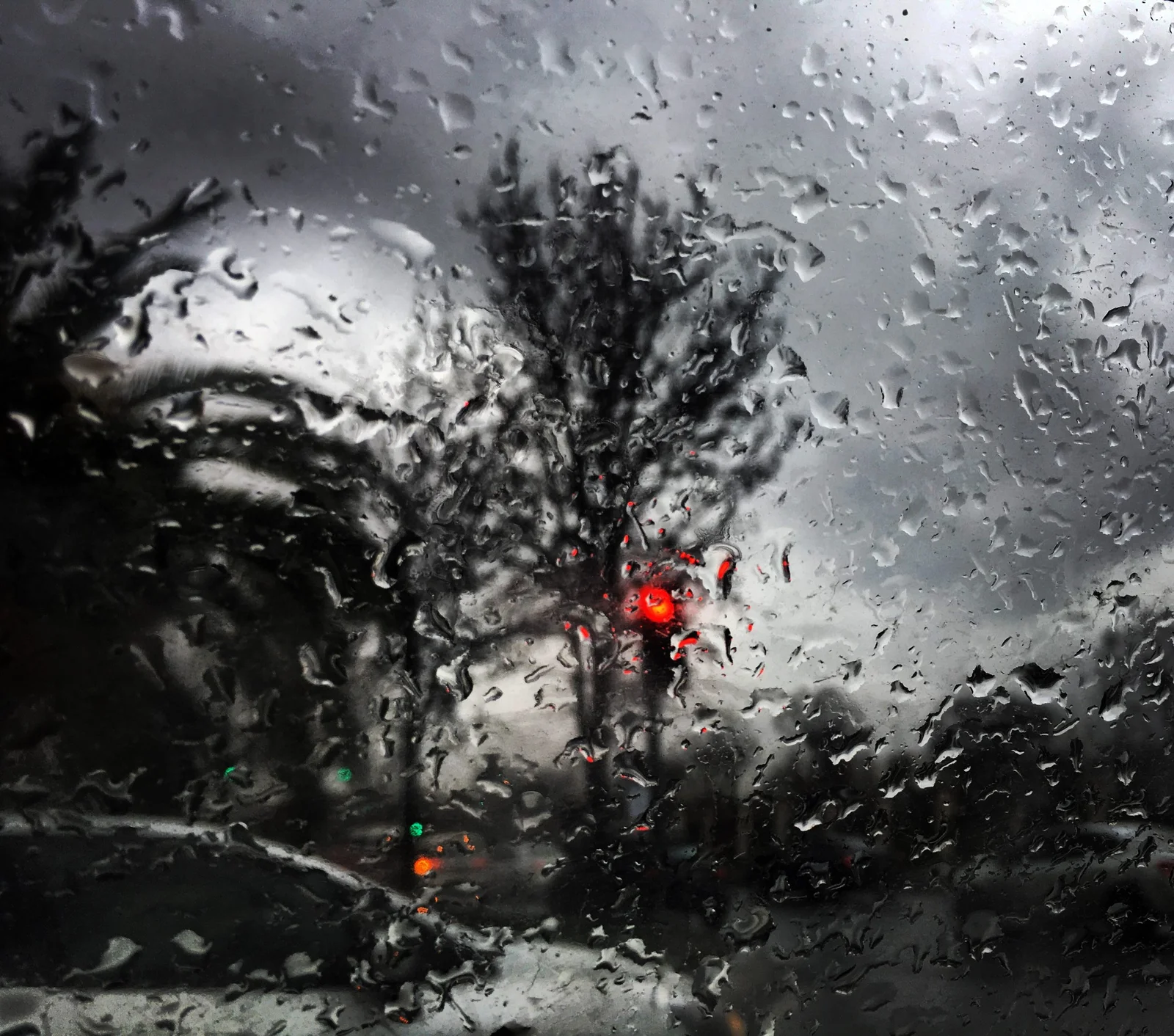
These days, as we enter a traumatic process alongside the pandemic, the extraordinary circumstances we are experiencing may have created certain fractures in our psyche while confronting us with the reality of death.
Pandemic and mourning
Uzm. Psk. Büşra KÜÇÜK
In these days, as we enter a traumatic process alongside the pandemic, the extraordinary circumstances we are experiencing may have created certain fractures in our psyche as they confront us with the reality of death. The fact that death is so close to us, roaming around us, may cause some tremors in our basic sense of security, opening the door to a return to childhood traumas. Our reactions may become childlike; this is an unconscious expression of our feeling unsafe and our desire to return to safer times. Those whose fundamental sense of security has been damaged may also experience this period with intense anxiety.
Facing death is one of the most challenging life experiences for human beings. Therefore, mourning inevitably becomes one of the fundamental emotions of this period. Those who have lost a loved one during this period are, of course, going through a mourning process directly related to the loss they have experienced. Those who have not lost a loved one but have witnessed the loss are mourning the fact that they can no longer do many of the things they used to do outside. Because grief is not just an emotion that comes with the loss of a person, as we think, but also a psychological response to certain changes in life. Therefore, during this period, grief may also be experienced as the loss of days that cannot be spent on the street, in nature, or at tables set up with friends.
Given this situation, the obligation to use time productively does not seem particularly useful at the moment. There is no harm in being a little unproductive amid all this turmoil. There are anxieties, fears, and sorrows. Rejecting all of this and acting as if we must make the most of every moment may be a sign that we are trying to escape the grief of these days. This is quite understandable. However, trying to escape an emotion in one way or another, silencing its voice, does not prevent it from calling out to us in a tone that deafens our ears at the end of the day. I believe that allowing ourselves to grieve during this period means not trying to impose anything on ourselves.
‘Losses that are not fully mourned – in other words, changes we cannot adapt to – cast a shadow over our lives, drain our energy and impair our ability to connect.’* So, when we fail to mourn the loss of the street, we prolong the mourning and perpetuate a similar state of mind when these days are over. However, letting go of the comfort of being at home may also involve a period of mourning for some of us once the pandemic ends. If we are to cope with loss, we must bear in mind that loss can revive depressive feelings and bring past losses back to the surface. The difficulty of the process we are experiencing is partly related to this.
We know that this period, like all traumatic experiences, can be instructive. Perhaps this process, in which we are left alone with ourselves or our families, is slowly whispering to us what the inside and the outside mean. We are more familiar with this knowledge than ever before. In fact, this knowledge may even disturb us greatly. When everything returns to normal, perhaps we will only remember these whispers.
Finally, considering the circumstances of the period, we must not overlook the fact that for many people, grief is experienced alongside intense anxiety. Due to job loss, financial difficulties or health problems, people carry not only grief but also anxiety about what the future will hold. Carrying all these emotions certainly makes the process very difficult. When considered in terms of social classes, we must not overlook the existence of two groups: those who have the right to mourn and those who do not, and those who have to spend so much of their time working outside under these conditions that they have no time to mourn. The experiences of people working in difficult conditions during this process undoubtedly involve very different emotions. For our country, the pandemic encompasses not only isolation but also serious financial crises. Given this situation, I believe that addressing it solely through the lens of isolation would be incomplete and superficial. In societies dominated by inequality, all emotions can easily take on a more dramatic form than they actually are. For true healing, the physical conditions must first be made suitable for everyone.
Sources:
1. Vamık D. Volkan, Elizabeth Zintl, Life After Loss

Subscribe to the Psikeart Email Bulletin!
Subscribe to our Bulletin
Thank you for subscribing to the newsletter.
An error has occurred. Please try again.